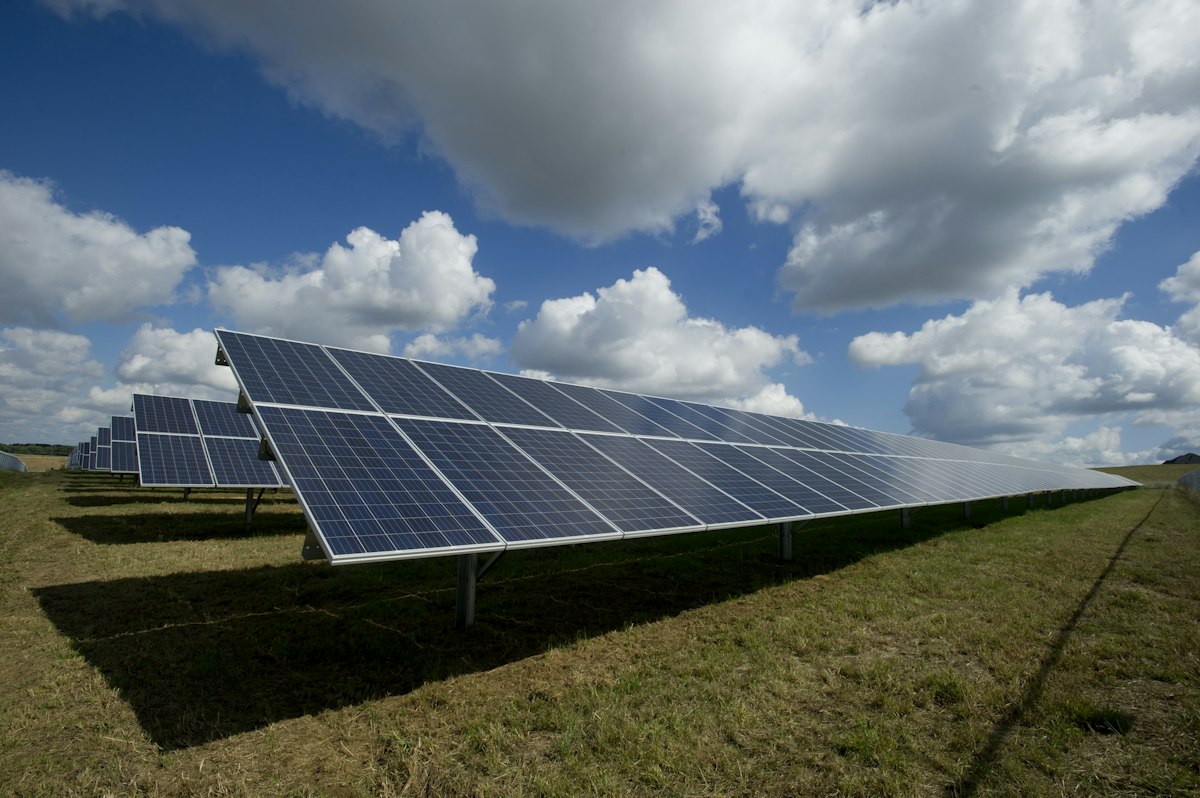
Solar Panels in Spain: The Complete Guide for Property Owners
Spain gets over 2,500 hours of sunshine per year on the Costa del Sol. That makes solar energy one of the smartest investments you can make in your property. The infamous "sun tax" was abolished in 2018, and government incentives now actively encourage solar installations.
How Much Do Solar Panels Cost?
A typical residential solar installation in Spain costs between 3,500 and 8,000 euros. The exact price depends on system size, panel quality and installation complexity.
- Small system (3 kW, 6-8 panels): 3,500-5,000 euros. Suitable for a couple or small apartment.
- Medium system (5 kW, 10-14 panels): 5,000-7,000 euros. Covers most of a family home's daytime needs.
- Large system (8-10 kW, 18-24 panels): 7,000-12,000 euros. For larger homes or those with pools and air conditioning.
Battery Storage
Adding a battery lets you store solar energy for evenings and cloudy days. Lithium batteries cost 3,000 to 6,000 euros for a 5-10 kWh unit. A battery system extends your self-consumption from around 30 percent to 70-80 percent. The payback period for batteries is longer (8-12 years) than for panels alone (5-7 years).
How Much Can You Save?
With electricity prices in Spain averaging 0.20 to 0.30 euros per kWh, a 5 kW system saves 600 to 1,200 euros per year depending on consumption patterns. Surplus energy can be sold back to the grid through net metering (compensacion simplificada), earning you 0.05 to 0.10 euros per kWh. Most systems pay for themselves within 5 to 7 years.
Government Incentives
Several incentives make solar even more attractive:
- IBI reduction: Many municipalities offer 25-50 percent discount on property tax for 3-5 years after installing solar panels
- ICIO discount: Building permit tax reductions of up to 95 percent
- Next Generation EU funds: Subsidies of 600-1,000 euros per kW installed (subject to availability)
- VAT reduction: Some installations qualify for reduced 10 percent IVA instead of 21 percent
Legal Requirements
Installations under 15 kW (almost all residential) follow a simplified process. You need to register the installation with your electricity distributor and the autonomous community. An authorised installer handles the paperwork. The process takes 2 to 6 weeks. No building licence is typically needed for rooftop panels that do not alter the building's structure.
Community of Owners
If you live in an apartment block, installing panels on the communal roof requires a vote at the owners' meeting. Since 2022, only a simple majority (not unanimity) is needed to approve solar installations. You can also install panels on your private terrace without community approval if they do not affect common elements.
Use our free calculator to estimate your total costs for solar installation and see your projected savings over 10, 15 and 25 years.
Choosing an Installer
Always use a certificated installer registered with the regional industry department. Get three quotes minimum. Check that the quote includes panels, inverter, mounting hardware, electrical work, paperwork and post-installation registration. Avoid door-to-door solar salespeople who often overcharge. Reputable brands for panels include Longi, JA Solar, Trina and Canadian Solar.
Maintenance
Solar panels require minimal maintenance. Clean them 2-3 times per year with water. Have the inverter checked annually. Most panels carry a 25-year performance guarantee. Budget 100 to 200 euros per year for cleaning and inspections.