What Is a Comunidad de Propietarios?
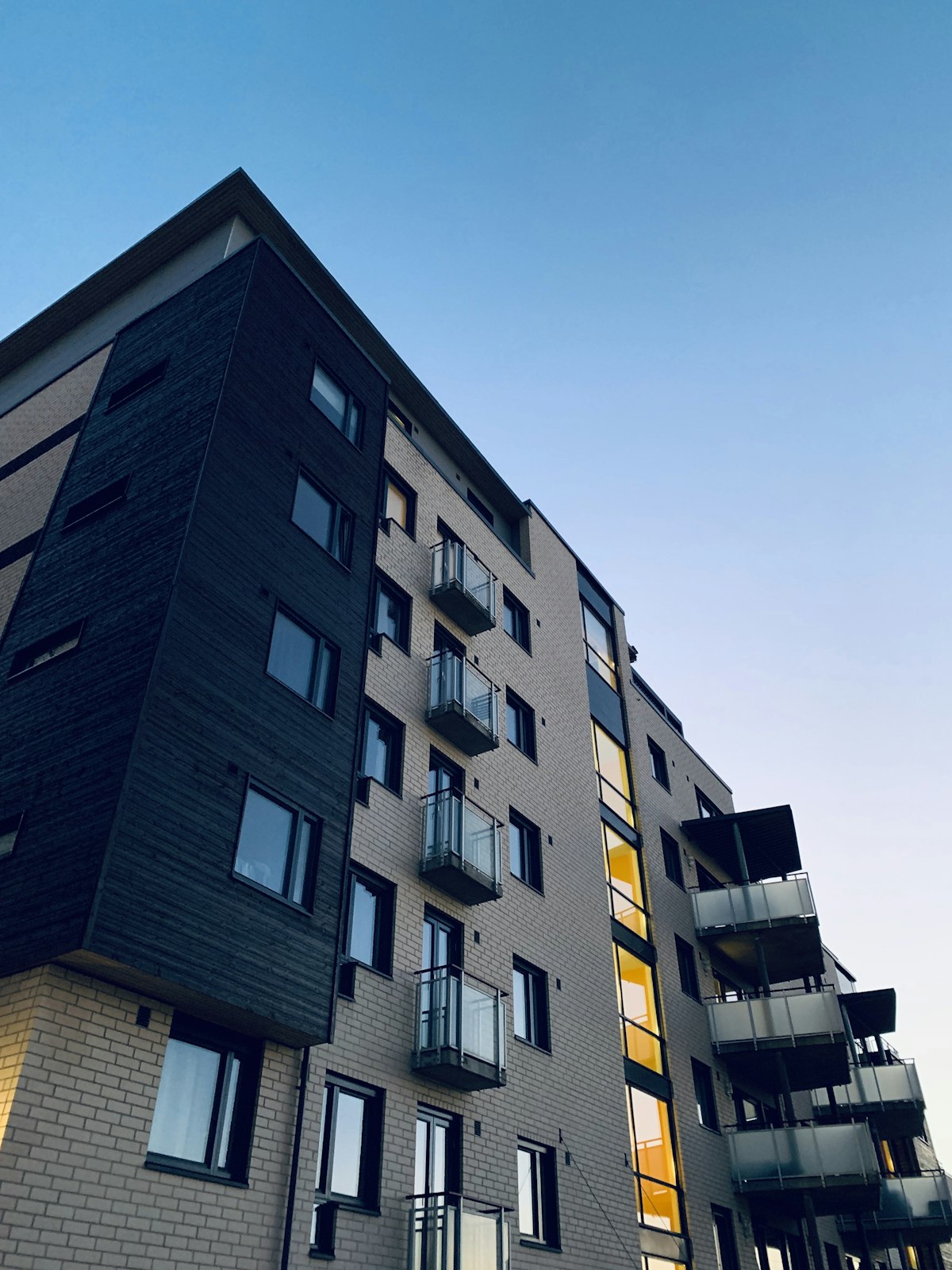
Any building in Spain with more than one owner automatically forms a community of owners (comunidad de propietarios). This applies to apartment blocks, townhouse complexes and urbanisations with shared facilities. The community is governed by the Ley de Propiedad Horizontal (Horizontal Property Law).
How It Works
Each owner holds a percentage share (cuota de participación) of the communal areas. This percentage determines your voting power and your share of communal expenses. It is fixed in the original deed of the building and cannot be changed without unanimous agreement.
Key roles
- Presidente: Elected annually from among the owners. Must be an owner, not a tenant. The role is obligatory and rotates.
- Administrador: A professional property manager hired to handle day-to-day administration, accounting, and legal compliance. Monthly cost: €3 to €8 per unit.
- Secretario: Keeps minutes of meetings and manages documentation. Often the administrador fills this role.
Community Fees
Monthly fees vary enormously depending on shared facilities:
- Basic block (lift, stairs, cleaning): €30 to €80/month
- Complex with pool and gardens: €80 to €200/month
- Luxury urbanisation with security, gym, multiple pools: €200 to €500/month
Fees cover building insurance, maintenance, cleaning, lift servicing, pool maintenance, gardening, and the administrador's salary. They do not include individual utility bills.
Derramas (special levies)
If a major expense arises that exceeds the reserve fund (for example, a new roof or lift replacement), the community can vote to levy a derrama. This is a one-off payment shared among owners based on their cuota. Derramas can range from a few hundred to several thousand euros.
Meetings and Voting
The community must hold an annual general meeting (junta ordinaria). Extraordinary meetings (juntas extraordinarias) can be called by the president or by 25% of owners. Voting rules:
- Simple majority for routine decisions (budget approval, maintenance)
- Three-fifths majority for changes to communal elements
- Unanimous approval for changes to the building's statutes or cuota percentages
If you cannot attend, you can delegate your vote with a written proxy.
What Buyers Must Check
Before buying an apartment or townhouse, request these documents from the community:
- Certificado de deuda: Confirms the seller has no outstanding community fee debts. The seller must provide this at completion. Unpaid debts transfer to the new buyer for the current and previous year.
- Latest meeting minutes: Check for planned derramas, disputes, or major works approved but not yet invoiced.
- Annual budget and accounts: Understand the community's financial health and reserve fund level.
- Community statutes: Check for restrictions on short-term rentals, pets, or business use that may affect your plans.
Common Disputes
Frequent issues in Spanish communities include noise complaints, unauthorised modifications to communal areas, disagreements about short-term rental restrictions, and non-payment of fees. A well-managed community with a professional administrador typically handles these more effectively.
Community fees are an ongoing cost you need to factor into your purchase budget. Use our free calculator to estimate your total costs including monthly community expenses.